11/05/2026
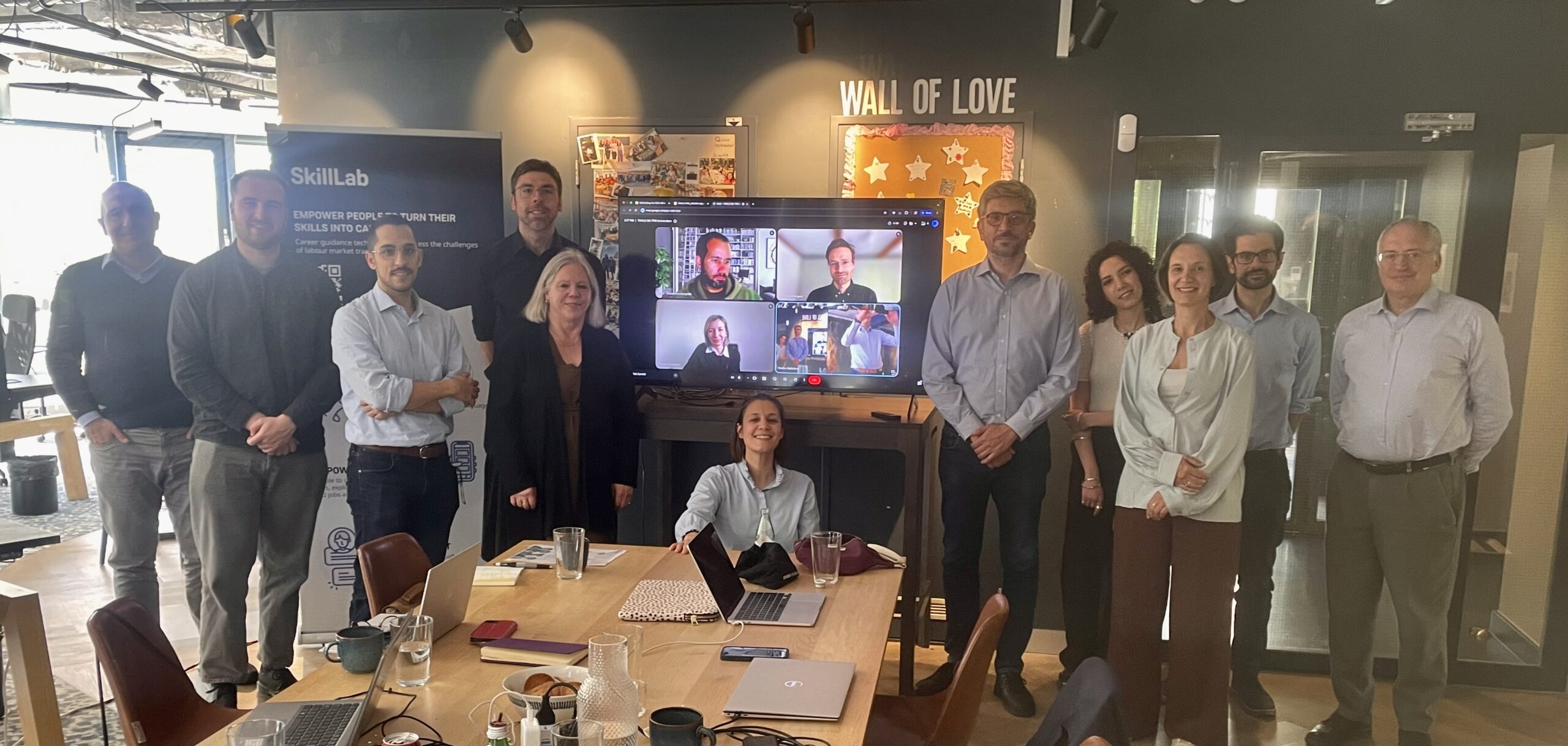
The fifth plenary meeting of the TRAILS took place on 8 May 2026 in Amsterdam, hosted by SkillLab at its headquarters. The meeting brought together project partners, both in person and online, to review progress achieved so far and coordinate the final phase of project implementation.
As the project enters its final months, partners reflected on the significant milestones already accomplished and discussed the remaining work needed to maximise the project’s policy impact. During the opening session, the consortium highlighted the strong collaborative efforts developed over the past three years and underlined the importance of translating TRAILS research findings into concrete policy recommendations and practical tools for addressing skills mismatches across Europe.
The meeting provided a comprehensive overview of the project’s progress. Partners reviewed ongoing deliverables, milestones, and dissemination achievements, while also discussing preparations for the upcoming TRAILS conference to be held in Naples in September 2026. The consortium noted that the project remains largely on track, having already exceeded several initial targets, particularly regarding survey coverage, policy briefs, and comparative research outputs.
One of the central discussions focused on the TRAILS surveys, which now cover 31 countries and explore skills mismatches, labour market resilience, literacy levels, and training choices. Partners also presented updates on the second survey currently underway, which introduces dynamic skills measurements and conjoint experiments designed to better understand training uptake and labour market mobility.
The meeting also highlighted progress in the project’s experimental activities developed together with SkillLab and EARLALL with regional partners. These experiments, currently implemented in Sweden and Germany, aim to assess whether better documentation and visibility of individual skills portfolios can motivate greater participation in training opportunities. Initial results are expected by June 2026.
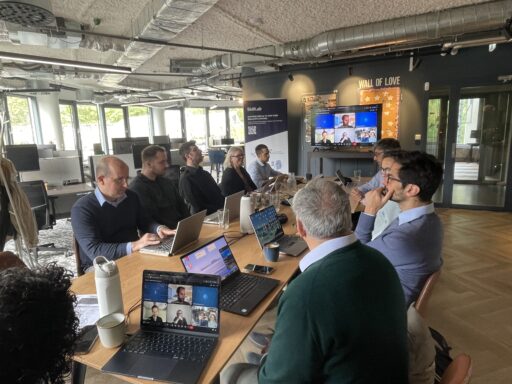

Discussions continued to examine the relationship between educational mismatch, labour market outcomes, and the moderating role of training. Partners presented ongoing research analysing how mismatches influence wages, job satisfaction, and job security across European labour markets.
Another key topic was dedicated to the use of Machine Learning and Artificial Intelligence for matching skills to labour market needs. Researchers shared updates on innovative methodologies using employer-employee matched data and AI-based approaches to measure skills mismatches and assess the social costs of labour market reallocations. The discussions also explored the policy implications of unemployment insurance systems and how they may influence workers’ job choices and labour market flexibility.
The sessions were dedicated to data management, survey design, new skills, and labour market mobility. Partners emphasised that resilience in labour markets increasingly depends on adapting training systems to evolving skills architectures rather than simply expanding training volumes. Discussions also reinforced the importance of viewing skills policies as a key component of social inclusion strategies.
Finally, consortium members reviewed dissemination activities and updates related to the TRAILS platform, which continues to serve as a central hub for project outputs, research findings, and stakeholder engagement activities.
The meeting concluded with discussions on the next implementation steps and preparations for the final project phase, including the upcoming conference in Naples, which will bring together researchers, policymakers, and stakeholders to discuss the future of skills intelligence and labour market transitions in Europe.

This project has received funding from the European Union's Horizon Europe research and innovation programme under grant agreement No 101132673